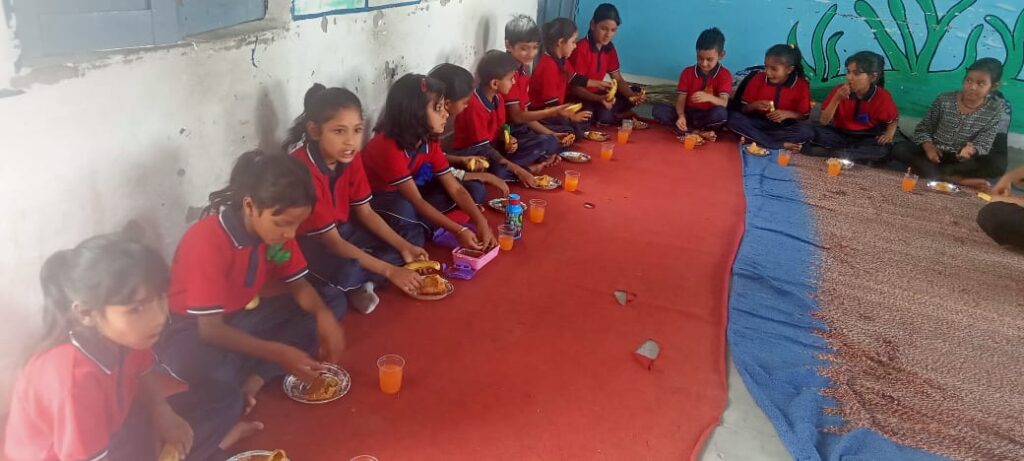
The Mid-Day Meal Scheme, now known as Pradhan Mantri Poshan Shakti Nirman (PM POSHAN), is a school-based program in India designed to improve the nutritional status of children and encourage them to attend school. It provides free lunches to children in government and government-aided primary and upper primary schools.
Here’s a more detailed look:
- Nutritional Support: The scheme aims to combat hunger and malnutrition among children by providing a hot, cooked meal with a specific calorie and protein content.
- Educational Incentives: It also aims to increase school enrollment, attendance, and retention rates by removing the barrier of hunger and encouraging families to send their children to school.
Key Features: - Free Meals: The scheme provides a free, nutritious meal to all children in eligible schools.
- Cooked Meals: The meals are hot and cooked at the school premises.
- Nutritional Content: The scheme specifies the amount of food grains, pulses, vegetables, and oil/fat that should be provided per child.
- Central and State Funding: The central government provides food grains and funding, while the states/UTs contribute to the costs of facilities, transportation, and labor.
- Monitoring and Quality: The scheme includes provisions for monitoring the quality of food and ensuring safe cooking practices.
Impact: - Improved Nutrition: Studies have shown that the scheme has significantly improved the nutritional status of children.
- Increased Enrollment and Attendance: The scheme has led to increased enrollment and attendance rates in schools.
- Reduced Dropout Rates: By addressing hunger, the scheme has also helped reduce dropout rates among students.
- Socialization: The scheme has also been found to promote socialization among students from different castes.